


 moq.pro
Interactive
Media down, input up. Build real-time bidirectional apps—cloud gaming, shared canvases, remote control—on one generic MoQ relay with live discovery built in.
Why MoQ
open standard · QUIC
Viewers can be broadcasters too
Every player publishes a JSON controls track under a shared prefix while subscribing to the game's audio and video—bidirectional streaming built from unidirectional tracks.

Your business logic, not the relay's
Subscribe to every player for anarchy (like MoQ Boy), enforce single-player lockout, or hand off control dynamically without custom server routing.

Sleep when nobody watches
Relays merge subscriptions upstream. With zero active subscribers, encoders—and the emulator or simulation itself—sleep until someone tunes in.

Live discovery, no room server
Ask the relay for every broadcast matching a prefix and get live notifications as sessions and players come online or disconnect.

Always fans out
One player or ten thousand spectators watching the same session: the origin serves at most one copy of each track while the relay mesh fans it out.

Web and native
Play directly in the browser with WebTransport and WebCodecs, or embed native clients with Rust, C, Swift, Kotlin, and Python bindings.
How it works
Read the docs →
On-demand encoding and emulation
No audio subscribers? Opus sleeps. No video subscribers? H.264 sleeps. No subscribers at all? The emulator pauses completely.
bigger bren
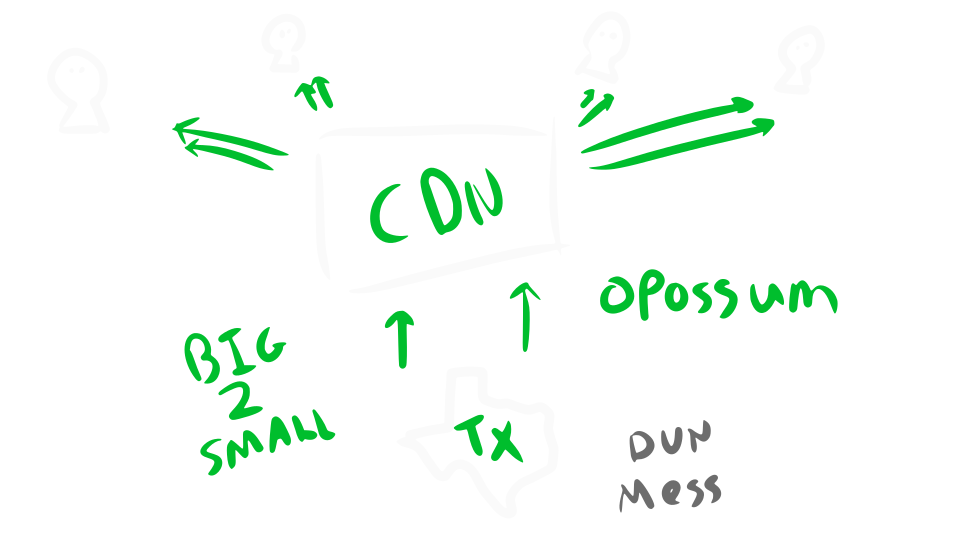
Prefix-based live discovery
Workers announce broadcasts under a prefix so clients automatically populate the live lobby without maintaining a separate room service.
pub boy
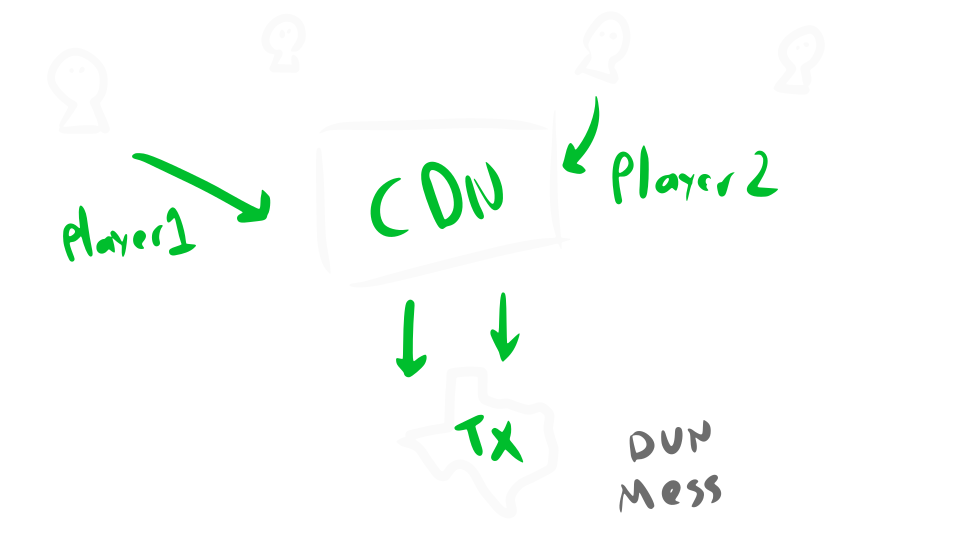
Bidirectional controls on the same relay
Each player publishes button state as JSON on its own broadcast; the worker discovers active players and subscribes to their controls tracks.
sub boy Play MoQ Boy →
Native mobile and desktop too
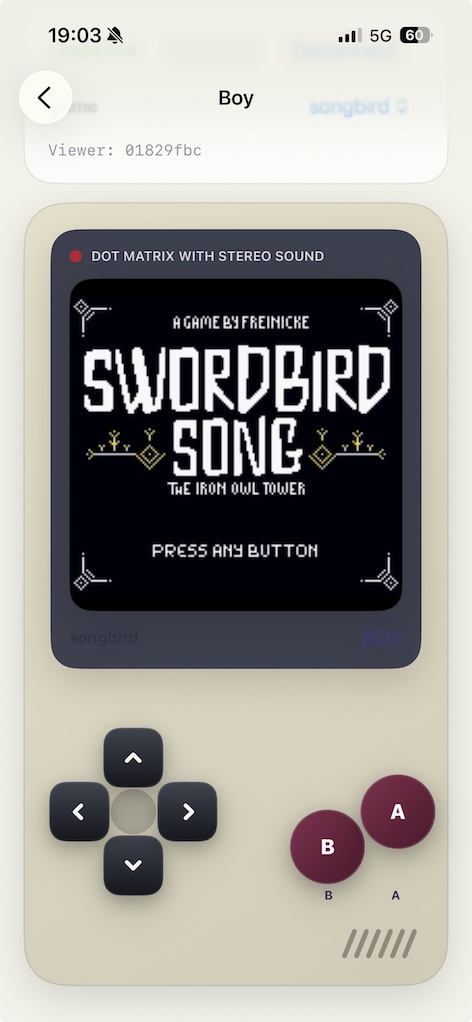
The same protocol and Rust core power browser players and native apps alike—including React Native, Swift, and Kotlin bindings.
Definitely the future of gaming.
Yours?
Building a game, remote desktop, or interactive stream with MoQ? Tell us, we'd love to brag about it.